
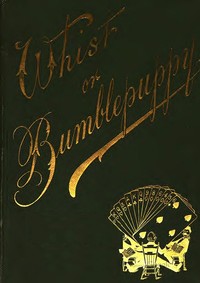
Whist; or, Bumblepuppy? Thirteen Lectures Addressed to Children by John Petch Hewby
Let's be clear from the start: this is not a novel. ‘Whist; or, Bumblepuppy?’ is exactly what its subtitle says: ‘Thirteen Lectures Addressed to Children.’ Published in 1885 by John Petch Hewby, it’s a period piece that offers a strange and wonderful window into Victorian ideas about education, character, and play.
The Story
There's no traditional plot with heroes and villains. Instead, the ‘story’ is the unfolding of Hewby’s argument across thirteen chapters, or lectures. He patiently explains the card game Whist—a precursor to Bridge that required teamwork, memory, and strategy. But his real target is ‘Bumblepuppy,’ a slang term for playing the game poorly, selfishly, or without thought. Each lecture builds a case. He covers the rules, sure, but he spends more time on the why behind them: why you must pay attention to your partner, why you shouldn’t complain about your cards, why thoughtlessness spoils the game for everyone. The narrative drive comes from following his passionate, slightly exasperated mission to mold his young readers into ideal Whist players, which, in his view, are ideal young gentlemen and ladies.
Why You Should Read It
This book charmed me because of its sheer sincerity. Hewby isn't joking. He genuinely believes that learning to play a card game properly is a direct path to building a better character. Reading it today, you get this double vision. On one level, it’s a practical, if dry, guide to a forgotten game. On another, it’s a social document screaming about Victorian values: self-discipline, respect for partners, intellectual rigor, and the idea that even fun should be improving. The voice is so earnest it sometimes tips into being funny, but it’s never mean-spirited. You can almost hear him pleading with his young audience to just think before they play a card. It’s a book that makes you ponder how we try to teach kids about fairness and cooperation today, even if we don’t use card games as our textbook.
Final Verdict
This is a niche read, but a rewarding one. It’s perfect for history buffs, social observers, and anyone who loves quirky primary sources. If you enjoy seeing how everyday pastimes were tangled up with bigger ideas about morality, you’ll be fascinated. It’s also a great pick for writers looking to understand a very specific, authoritative voice from the past. I wouldn’t recommend it as a page-turning thrill ride, but as a time capsule, it’s brilliant. Think of it as a long, thoughtful letter from 1885 about the serious business of play.



Oliver Hill
1 year agoAfter finishing this book, the storytelling feels authentic and emotionally grounded. A true masterpiece.